Schedule Your Free Consultation Now
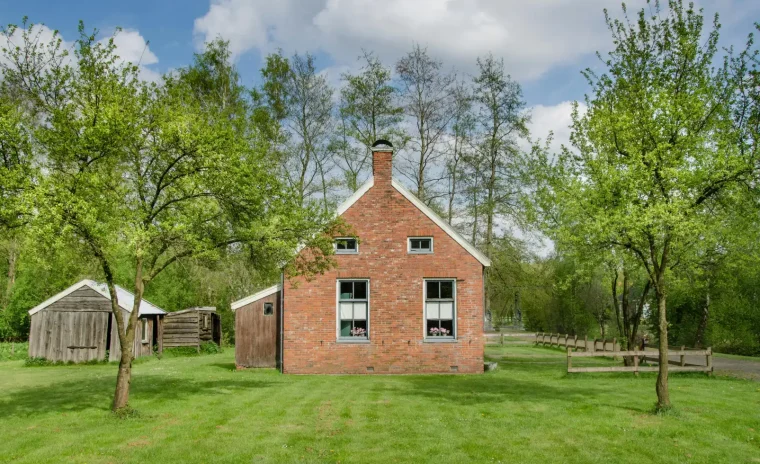
How to Build a Custom Home: Complete Custom Home Building Guide
Building a home designed specifically for your lifestyle is one of the most exciting projects a homeowner can take on. Unlike buying an existing house, building a custom property allows you to control the layout, materials, and features from the ground up. But understanding how to build a custom home can feel overwhelming without a clear roadmap.
This custom home building guide walks you through the entire custom home building process, from early planning to the final walk-through. If you’re considering building a custom house, these steps will help you move forward with confidence and clarity.
1. Define Your Vision and Lifestyle Needs
The first step in learning how to build a custom home is understanding what you truly want from your future space. A custom home should reflect your daily routines, personal preferences, and long-term plans.
Start by thinking about how your household uses space. Do you entertain often? Do you need a home office or flexible living area? Would an open floor plan make sense for your family? Making a list of must-have features helps guide the early custom home design process.
You should also consider future needs. A growing family, aging-in-place considerations, or potential resale value can influence the design choices you make today.
2. Set a Realistic Budget
Before beginning the custom home building process, establishing a realistic budget is essential. Custom homes can vary widely in price depending on size, materials, land costs, and design complexity.
Your total budget should include:
- Land purchase
- Architectural design and permits
- Construction costs
- Utility connections
- Landscaping and finishing touches
- Contingency funds for unexpected expenses
Financial planning early in the steps to build a custom home prevents costly delays later. Many homeowners also secure construction financing or speak with lenders before beginning the project.
3. Choose the Right Location
Location is one of the most important decisions when building a custom house. The property you select affects everything from your home’s orientation to utility access and zoning requirements.
When evaluating land, consider:
- Proximity to schools, work, and amenities
- Soil quality and drainage
- Local building regulations
- Utility access
- Neighborhood development plans
A great location ensures that your investment in the custom home building process provides long-term value.
4. Work With a Custom Home Builder and Architect
A reliable team is crucial when learning how to build a custom home successfully. Most homeowners work with a combination of professionals, including:
- Custom home builders
- Architects or designers
- Engineers
- Project managers
Your builder plays a key role in guiding you through the custom home building guide, helping manage schedules, materials, and construction crews.
Meanwhile, architects and designers help translate your ideas into practical blueprints. Collaboration between these professionals ensures that your vision aligns with structural and budget realities.
5. Begin the Custom Home Design Process
The custom home design process is where your ideas start taking shape. During this stage, you’ll work with designers or architects to create floor plans that match your needs.
Typical design considerations include:
- Number of bedrooms and bathrooms
- Open or traditional layouts
- Kitchen placement and size
- Storage solutions
- Natural lighting and window placement
- Outdoor living spaces
This stage may involve several revisions before the final design is approved. Taking the time to refine the layout ensures the home functions perfectly for your lifestyle.
6. Secure Permits and Approvals
Once the design is finalized, the next step in the custom home building process involves obtaining the required permits and approvals.
Local building authorities review plans to ensure they meet:
- Zoning regulations
- Safety codes
- Structural requirements
- Environmental standards
This phase may also involve inspections or adjustments to the design. While paperwork may seem tedious, it is an essential part of the steps to build a custom home safely and legally.
7. Prepare the Land and Lay the Foundation
With approvals in place, construction officially begins. The first physical stage of building a custom house involves preparing the site.
This includes:
- Clearing the land
- Excavation
- Grading for drainage
- Installing the foundation
The foundation forms the structural base of the home, so precision and quality are critical during this stage of the custom home building process.
8. Frame the Structure
After the foundation is complete, the next step in how to build a custom home is framing. Framing creates the skeleton of the house, including walls, floors, and roof structures.
During this stage, you’ll begin to see the layout of your future home take shape. Rooms, hallways, and openings for windows and doors become visible.
Framing also sets the stage for installing mechanical systems like plumbing, electrical wiring, and HVAC.
9. Install Systems and Interior Features
Once the structure is framed, contractors install critical systems throughout the home. These include plumbing pipes, electrical wiring, insulation, and heating or cooling systems.
This stage of the custom home building guide ensures the home functions properly and meets safety requirements.
After the systems are installed, interior work begins, such as:
- Drywall installation
- Flooring placement
- Cabinet installation
- Painting and trim work
These finishing details are where your personal design choices truly come to life.
10. Final Inspections and Walk-Through
The final stage in the steps to build a custom home involves inspections and a complete walk-through with your builder.
Inspectors ensure the house meets all building codes and safety standards. Meanwhile, your walk-through gives you the opportunity to review details such as finishes, fixtures, and appliances.
If any adjustments are needed, your builder can address them before final completion. Once everything meets expectations, your custom home is officially ready.
Turning Your Dream Home Into Reality
Learning how to build a custom home may seem complicated at first, but breaking the project into manageable steps makes the process far more approachable.
By understanding the full custom home building process, from planning and budgeting to the custom home design process and final construction stages, homeowners can make informed decisions every step of the way.
With the right planning, a trusted team, and a clear vision, building a custom house becomes an exciting opportunity to create a space tailored exactly to your lifestyle. Following this custom home building guide will help ensure that your home is not only beautiful but also functional, efficient, and built to last for years to come. Call us at (704) 799-7609 for further information.